How to read a nicotine pouch label
A tin carries eight pieces of information and most people read one. What each line means, which figures to compare and what should make you put the tin back.
By Hektor Jonsson · Updated October 2026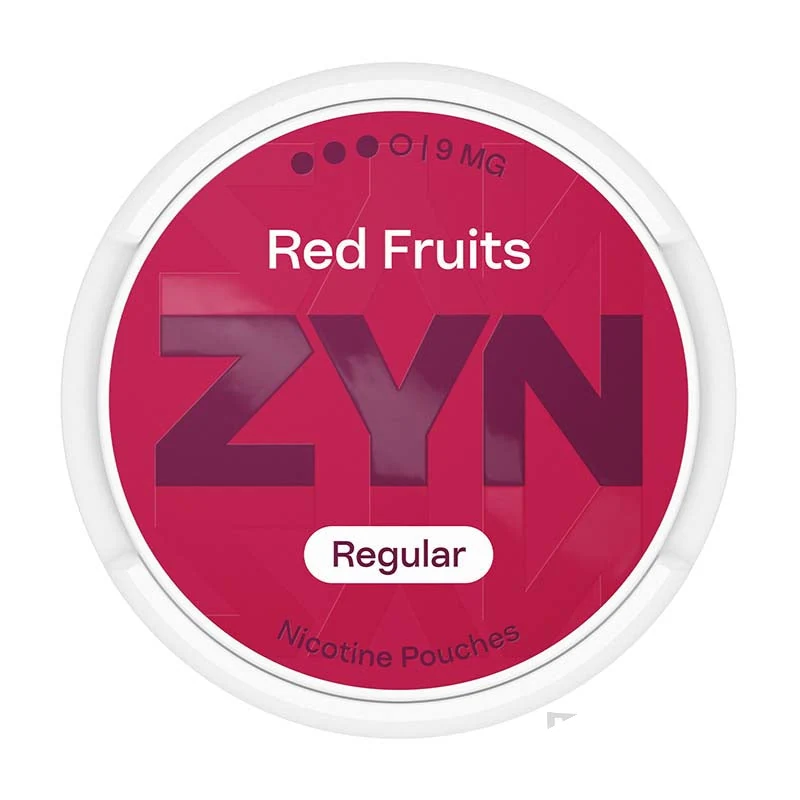
Quick answer: The number that matters is nicotine per pouch, in mg. Some tins print mg per gram instead, which looks bigger and means less. After that, check the pouch count, the best-before date and the batch code. Dots on the lid are a brand's own strength scale and only compare tins within that brand.
Pouch labels are not standardised. Two tins at the same real strength can show different numbers, different dot counts and different words for the same thing. This guide walks round a tin line by line so you can compare any two products like for like, and spot the labels that are hiding something. As of October 2026 there is no legal labelling format for pouches in the UK; the Tobacco and Vapes Bill gives ministers power to set one, so expect labels to get more consistent.
Strength: mg per pouch
The headline figure. A 6mg pouch contains 6mg of nicotine. That is the number to compare across brands and the one our strength bands are built on: Low up to 6mg, Medium 6mg to 9mg, Strong 9mg to 12mg, X-Strong 12mg and up. Our guide to nicotine pouch strengths explains who each band suits.
Watch for the alternative. Some brands, mostly the strong European ones, print mg per gram (mg/g) instead. A 0.7g pouch at 20mg/g contains 14mg of nicotine, not 20mg. The bigger number looks impressive and tells you less. If a tin shows mg/g, multiply by the pouch weight to get the real figure, or read mg per pouch vs mg per gram. On this site every product shows mg per pouch regardless of how the tin prints it.
Dots and strength words
Many tins carry a row of dots, from one to six, or words like "regular", "strong", "extra strong" and "max". Both are the brand's own scale. Three dots on a ZYN tin and three dots on a Killa tin are not the same strength, and "strong" at one brand can be "medium" at another. Use dots to compare tins within a brand, never across brands. Our guide to what the dots mean lists the main brands' scales side by side.
Pouch count and net weight
| Line on the tin | What it tells you | Why it matters |
|---|---|---|
| Pouch count (e.g. 20) | How many pouches are inside | Price per pouch; 15, 18, 20 and 24 are all common |
| Net weight (e.g. 14g) | Total weight of the pouches | Divide by the count to get the pouch weight |
| Pouch weight (if shown) | Weight of one pouch | Needed to convert mg/g to mg per pouch |
| Format (slim, mini, large) | Size and shape | Mini and slim sit flatter; large holds more material |
| Dry, moist, all-white | Moisture level | Moist releases faster and drips more |
Two tins at £4.29 are not the same price if one has 15 pouches and the other has 24. Work out the per-pouch price before comparing. The formats hub explains the size and moisture terms.
Best-before date and batch code
The best-before date is usually printed or embossed on the base. Pouches do not go dangerously off, but they dry out and lose flavour, and nicotine content drifts down slowly. A tin with six months or more left is fine; a tin close to its date is a sign the stock has sat around. See do nicotine pouches expire.
The batch code sits next to the date. It identifies the production run and lets the brand trace the tin. A genuine tin from a major brand always has one, and it should be crisp and match between lid and base if both are marked. A missing or smudged batch code is one of the clearest signs of a counterfeit, covered in how to spot fake nicotine pouches.
Ingredients
A typical list reads: fillers (cellulose, plant fibre), water, nicotine, salt, flavourings, sweetener, pH adjusters (sodium carbonate or sodium bicarbonate), and sometimes a humectant such as glycerol. Nicotine may be listed as nicotine, nicotine salt or nicotine bitartrate. None of these should worry you in the amounts used, and a very short or missing list is more suspicious than a long one. What's inside a nicotine pouch goes through each ingredient.
Warnings and age statements
Every genuine tin carries a nicotine warning along the lines of "this product contains nicotine, which is a highly addictive substance", plus an 18+ symbol and often a pregnancy warning. These are not legally mandated for pouches yet in the UK, but the responsible brands include them anyway. A tin with no warning at all is either a fake or from a brand that does not take the market seriously. The nicotine pouches hub lists only brands that label properly, and ZYN is a good example of a clear, complete label to compare others against.
Frequently asked questions
What does the mg on a nicotine pouch tin mean?
Usually milligrams of nicotine per pouch. Some tins print mg per gram instead, which needs converting using the pouch weight. Compare per-pouch figures only.
What do the dots on a nicotine pouch tin mean?
The brand's own strength scale. More dots means stronger within that brand. Dots do not compare across brands.
Where is the expiry date on a nicotine pouch tin?
Usually on the base, printed or embossed, next to the batch code. It is a best-before date, not a safety date.
How many pouches are in a tin?
It varies by brand: 15, 18, 20 and 24 are all common. Check the count before comparing prices.
Should a nicotine pouch tin have a warning on it?
Yes. Genuine tins carry a nicotine addiction warning and an 18+ mark. No warning at all is a red flag.
Related guides

Nicotine pouch specialist · Updated October 2026
Hektor has been buying, testing and writing about nicotine pouches since the first Swedish tobacco-free brands reached the UK. He has worked through hundreds of tins across every major brand and strength, from gentle 3mg minis to the extra strong slims, and writes the guides here at snus & pouches. His focus is simple: honest, jargon-free help that gets you to the right pouch faster. He writes about products and flavour, not medical advice. For health questions he points readers to the NHS.
More guides by Hektor JonssonMore buying and how-to guides
Nicotine pouch glossary: every term explained
Every word you will meet on a tin, a product page or a forum, in alphabetical order, with a link to the page that goes deeper.
Updated October 2026
Tin, can, pouch or portion? Nicotine pouch terms explained
The pouch world borrowed its words from Sweden and then added its own. The ten terms you will meet on every product page, sorted out.
Updated October 2026
Same day dispatch: how nicotine pouch delivery works
The cut-off, the carriers, the age check at the door and the steps to take when a parcel does not turn up. Delivery, explained end to end.
Updated October 2026
Bulk buying nicotine pouches: does it save money?
Buying ten tins at once is cheaper than buying one ten times. Here is how much, how to store the stockpile, and the two situations where bulk is a bad idea.
Updated October 2026