
Caffeine
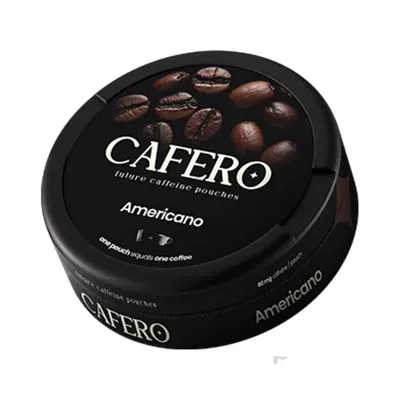
Caffeine pouches
Nicotine-free, tobacco-free pouches that deliver caffeine under the lip. What they are, how strong they are, who they suit and how to use them sensibly.
633
products
products
What are caffeine pouches?What are caffeine pouches?Caffeine pouches vs coffeeCaffeine pouches vs coffeeCaffeine pouch strength explainedCaffeine pouch strength explainedBest caffeine pouches in the UKBest caffeine pouches in the UKCaffeine pouches for the gym and runningCaffeine pouches for the gym and running



No products match those filters.
Quick answer: Caffeine pouches are small white pouches that sit under your top lip and release caffeine through the lining of the mouth, with no nicotine and no tobacco. A pouch typically holds 25mg to 80mg of caffeine, against roughly 80mg to 100mg in a cup of coffee, and starts working within about 10 to 15 minutes. Healthy adults are generally advised to stay under 400mg of caffeine a day from all sources.
This is the hub for everything caffeine pouch related on the site. It covers what the product is, how it works, how strong the bands are, how pouches stack up against coffee and energy drinks, who they suit, how to use one, and the safety limits that matter. Nothing here is medical advice. If you have a heart condition, anxiety, a sleep problem or you are pregnant, talk to your GP before using any concentrated caffeine product.
What a caffeine pouch is
Take a nicotine pouch, remove the nicotine and put caffeine in its place. That is the product. A caffeine pouch is a small bag of plant fibre (usually cellulose) loaded with caffeine, flavouring and a sweetener, sometimes with extras such as taurine, B vitamins or ginseng. You tuck it under your top lip, leave it for 20 to 40 minutes, and bin it. There is nothing to drink, nothing to swallow and no sugar.
The format comes straight from the Scandinavian pouch factories that make nicotine pouches, which is why the tins look identical and why most caffeine pouches arrive in mint or fruit flavours. The difference is the active ingredient: caffeine, a stimulant most adults already use every day, instead of nicotine, an addictive substance. Our page on what caffeine pouches are goes through the ingredients and the people who tend to use them.
How caffeine pouches work
Caffeine passes through the thin lining of the mouth (the oral mucosa) straight into the bloodstream, as well as being swallowed in saliva and absorbed through the gut. Because some of it skips the stomach, a pouch tends to be felt sooner than a drink: most users notice it within 10 to 15 minutes, against 30 to 45 minutes for coffee to reach its peak. The pouch keeps releasing for as long as it is in, so the lift arrives steadily rather than in one go.
Once caffeine is in your system it behaves the same however it got there. It blocks adenosine, the chemical that makes you feel tired, and has a half-life of around 5 hours in a typical adult, meaning half of a 50mg pouch is still circulating 5 hours later. That is the number to remember when deciding whether a pouch at 4pm will bother your sleep at 11pm.
Caffeine pouch strength bands
Pouches are sold by milligrams of caffeine per pouch. Unlike nicotine pouches, where the number tells you little without knowing the format, the caffeine number means exactly what it says and compares directly with a drink.
| Band | Caffeine per pouch | Drink equivalent | Who it suits |
|---|---|---|---|
| Mild | 20mg to 30mg | A cup of tea, a third of a coffee | First-timers, afternoon top-ups, people who are caffeine sensitive |
| Medium | 40mg to 50mg | Half a coffee, half an energy drink | Most daily users, a mid-shift lift |
| Strong | 60mg to 80mg | Close to a cup of coffee or a 250ml energy drink | Regular coffee drinkers replacing a cup, pre-gym |
| Extra strong | Over 80mg | More than a cup of coffee | Experienced users only, and never stacked |
Start in the mild or medium band, even if you drink three coffees a day. Pouches come on faster than coffee and it is easy to misjudge the first one. The full breakdown, including how bands add up over a day, is on our caffeine pouch strength page.
Caffeine pouches vs coffee and energy drinks
Most people arrive at caffeine pouches from one of three habits: coffee, energy drinks or nicotine pouches. Here is how a pouch compares with the drinks.
| Caffeine pouch | Cup of coffee | 250ml energy drink | |
|---|---|---|---|
| Caffeine | 25mg to 80mg | Roughly 80mg to 100mg | Around 80mg |
| Time to feel it | 10 to 15 minutes | 30 to 45 minutes | 30 to 45 minutes |
| Sugar | None | None, unless added | Often 25g or more (sugar-free versions exist) |
| Calories | Close to zero | Close to zero black | Around 110 (standard) |
| Teeth staining | No | Yes, over time | Acid wear and, if sugared, decay |
| Hands and mouth | Nothing to hold or drink | A hot cup | A cold can |
| Where it works | Anywhere: driving, meetings, on the tools | Needs a kettle or a café | Needs a fridge and somewhere to drink it |
| Cost per dose | Varies by brand; a tin of 20 usually works out cheaper than café coffee and dearer than instant | From about 20p instant to £3 or more in a café | Around £1 to £2 a can |
A pouch is not a better drug than coffee; it is the same drug in a different package. The case for it is convenience, speed and no sugar. The case against is that it is easy to use without noticing, which matters when you are counting your daily total. Our caffeine pouches vs coffee page compares the two in full, including the downsides.
Who caffeine pouches suit
- Drivers and shift workers who want a lift without stopping for a drink or a toilet break. A pouch at the start of a long stretch is the single most common use case we hear about.
- Gym users and runners who want caffeine 15 to 20 minutes before a session without a scoop of pre-workout or a litre of energy drink sloshing about. See our page on caffeine pouches for the gym and running.
- Office workers who are already on their third coffee and would rather not stain their teeth further or make another trip to the kitchen.
- People stepping away from nicotine pouches who miss the habit of a pouch under the lip more than the nicotine. A caffeine pouch keeps the ritual and drops the addictive substance. Our guide on how to step down nicotine pouch strength covers that route.
Who they do not suit: anyone under 18 (we do not sell them to minors), anyone pregnant or breastfeeding without talking to a midwife or GP first, people with heart rhythm problems or high blood pressure, and anyone whose anxiety or sleep is already affected by caffeine.
How to use a caffeine pouch
- Open the tin and take one pouch. Check the mg on the lid.
- Lift your top lip and place the pouch against the gum, to one side of the front teeth. Most people prefer the top lip; the bottom works too.
- Leave it. Do not chew or suck it. A tingle or mild warmth in the first couple of minutes is normal, especially with mint flavours.
- Keep it in for 20 to 40 minutes. Taking it out early reduces the dose; leaving it longer than 45 minutes adds little.
- Remove it and bin it. Many tins have a catch lid for used pouches.
If you already use nicotine pouches, the technique is identical, and our guide on how to use nicotine pouches applies step for step. One thing not to copy from the nicotine habit: do not have a caffeine pouch and a nicotine pouch in at the same time. Both raise heart rate, and the combination is not something we recommend.
Safety and daily limits
Caffeine is one of the most studied substances in food. The European Food Safety Authority's 2015 review concluded that up to 400mg a day from all sources does not raise safety concerns for healthy adults, and that single doses of up to 200mg are fine for most people. The NHS advises pregnant women to keep to 200mg a day or less. Those numbers include coffee, tea, cola, energy drinks, chocolate and pouches, all added together.
In practice:
- A 50mg pouch is a modest dose. Four of them is 200mg, roughly two coffees.
- An 80mg pouch on top of three coffees puts you near 400mg. That is the ceiling, not a target.
- Do not stack pouches. Two 80mg pouches at once is 160mg in a fast-absorbing form, and it will feel like more than it sounds.
- Stop at least 6 hours before bed if you sleep poorly; 8 hours is safer.
Side effects of too much caffeine are the familiar ones: jitters, racing heart, headache, upset stomach, trouble sleeping. If you get them, you have had too much, whatever the source. None of this is medical advice. Your GP or the NHS website is the right place for health questions, and anyone with a medical condition should ask before starting.
Choosing your first tin
Pick by strength first and flavour second. Mild or medium for a first tin, mint if you like a fresh, cold feel, fruit if you do not, coffee flavour if you want something that tastes like the drink you are replacing. Stock in the UK changes quickly and the market is smaller than the nicotine side, so we would rather you looked at what is actually on the shelf than memorised a brand. Our round-up of the best caffeine pouches in the UK groups the current options by use case and is updated as the range changes. If you were actually after nicotine, the whole tobacco-free range is on our nicotine pouches hub.
Caffeine pouch topics
- What are caffeine pouches? Ingredients, absorption and who uses them.
- Caffeine pouches vs coffee Dose, onset, duration, teeth and the downsides.
- Caffeine pouch strength explained The 25mg, 50mg and 80mg bands and the 400mg daily ceiling.
- Best caffeine pouches in the UK A round-up by use case, updated as stock changes.
- Caffeine pouches for the gym and running Timing, dose, hydration and what not to combine.
Frequently asked questions
Do caffeine pouches contain nicotine?
No. A caffeine pouch contains caffeine, plant fibre, flavouring and sweetener, and no nicotine or tobacco. They are a separate product from nicotine pouches, even though the tins look the same.
How much caffeine is in one pouch?
Most tins sit between 25mg and 80mg per pouch, with a few stronger lines above that. Always check the figure on the lid. For scale, a cup of coffee is roughly 80mg to 100mg and a 250ml energy drink is around 80mg.
How long does a caffeine pouch take to work?
Most people feel it within 10 to 15 minutes, because some of the caffeine is absorbed through the lining of the mouth rather than waiting for the stomach. Coffee usually takes 30 to 45 minutes to peak.
How long does the effect last?
The lift from a pouch lasts a few hours, and caffeine has a half-life of about 5 hours, so half the dose is still in your system 5 hours later. Use that figure when timing your last pouch before bed.
Can I use caffeine pouches every day?
Many people do, in the same way they drink coffee every day. Keep your total from all sources under 400mg if you are a healthy adult, do not stack pouches, and expect the same tolerance and withdrawal (headaches when you skip a day) that regular coffee drinkers get.
Are caffeine pouches safe?
Caffeine itself is well studied and considered safe for healthy adults at up to 400mg a day. Pouches deliver it faster than drinks, which is why starting low matters. They are not suitable for under-18s, and pregnant readers should keep to 200mg a day or less. This is not medical advice; ask your GP if you have a health condition.
Do caffeine pouches stain your teeth?
No. The pouch is white, has no tannins and no sugar, so it does not stain the way coffee, tea or cola do. Any product held against the gum for long periods can irritate it, so move the pouch around between uses and keep up normal brushing.
Can I use a caffeine pouch and a nicotine pouch together?
We do not recommend it. Both raise heart rate and blood pressure, and the combination can leave you jittery or nauseous. If you want both in a day, space them out, keep the strengths low and pay attention to how you feel.