Snus
Snus and nicotine pouches
Everything a UK reader needs on snus: what it is, the types, the brands, the law, and how tobacco-free pouches compare.
633
products
products
What is snus?What is snus?Types of snus: loose, portion, white and all-whiteTypes of snus: loose, portion, white and all-whiteA short history of snus, from Sweden to the UKA short history of snus, from Sweden to the UKWhite snus vsWhite snus vsSwedish snus brands you will hear aboutSwedish snus brands you will hear aboutSnus and UK lawSnus and UK law
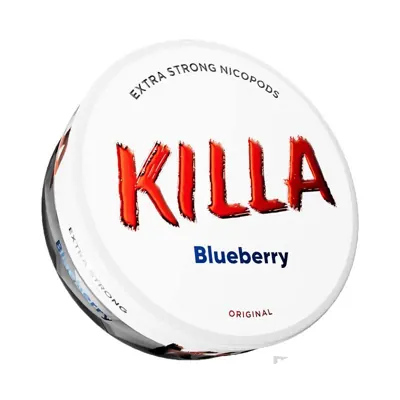
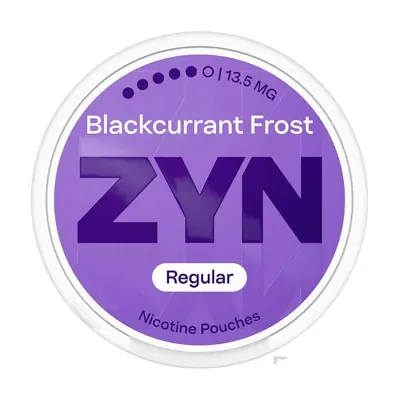
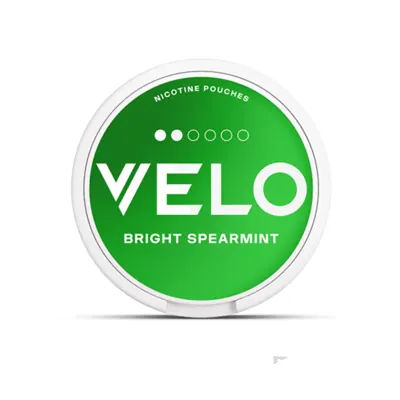
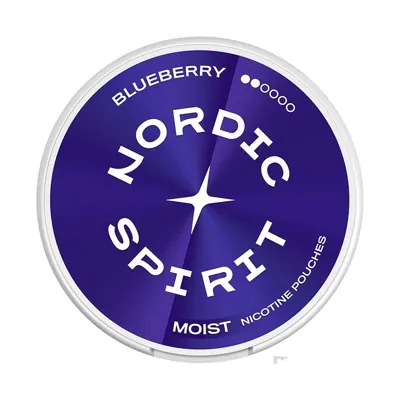
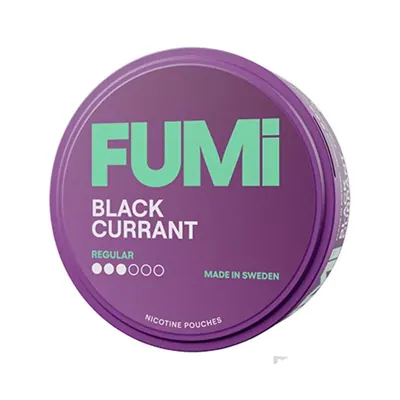
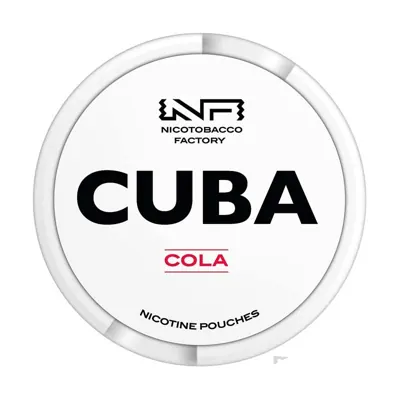
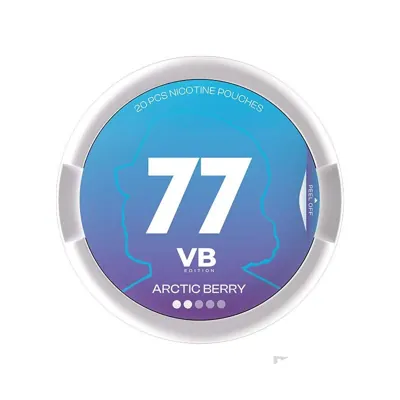
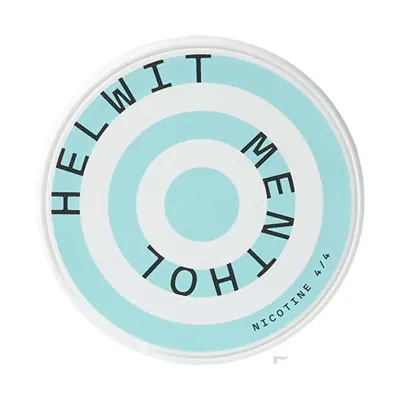
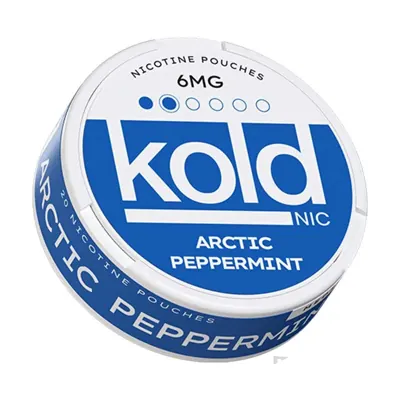
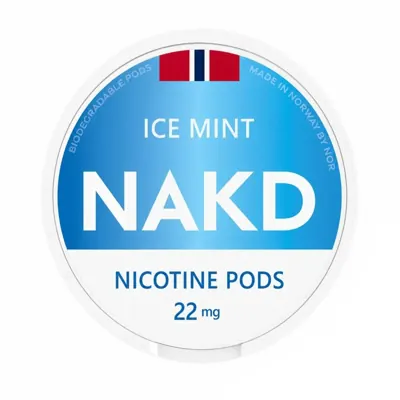
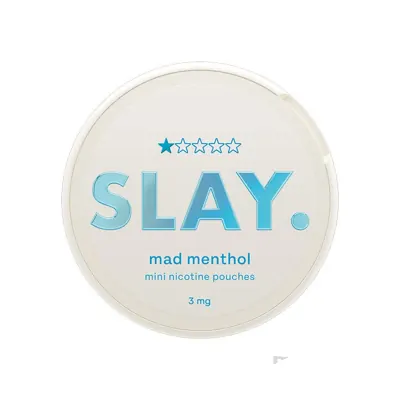
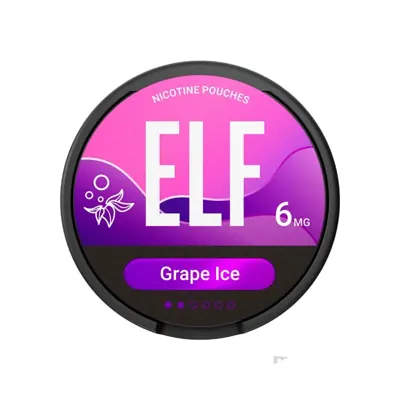
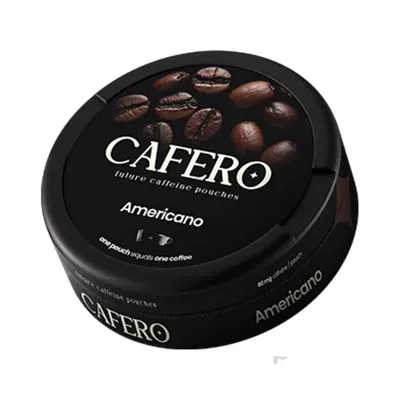
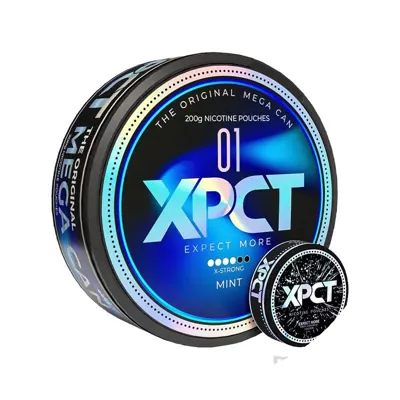
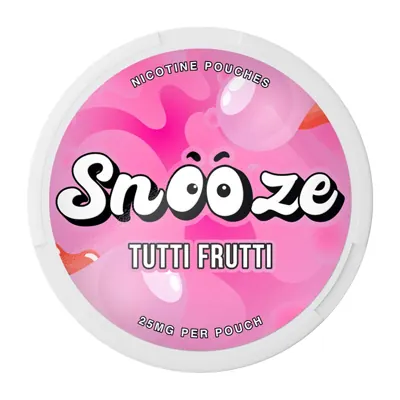
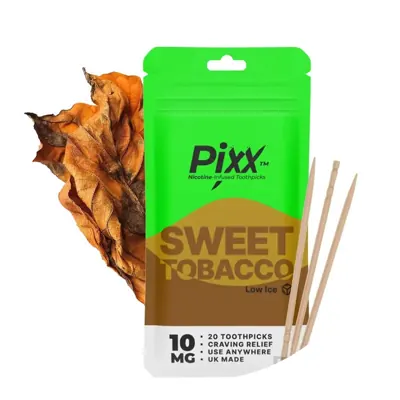
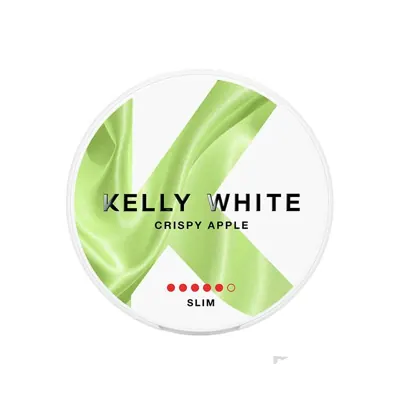
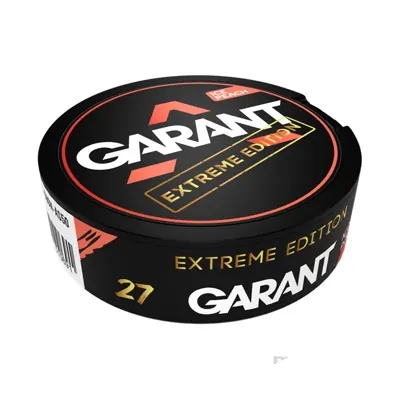
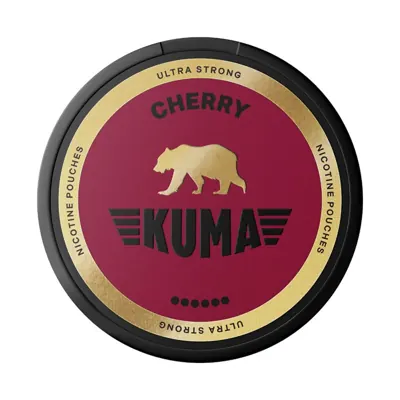
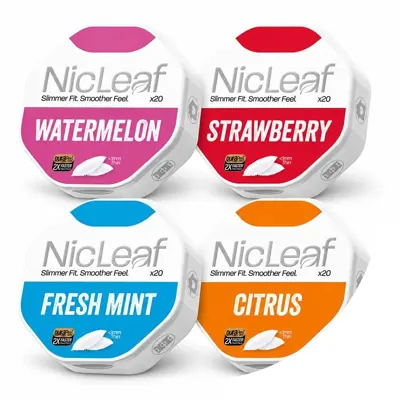
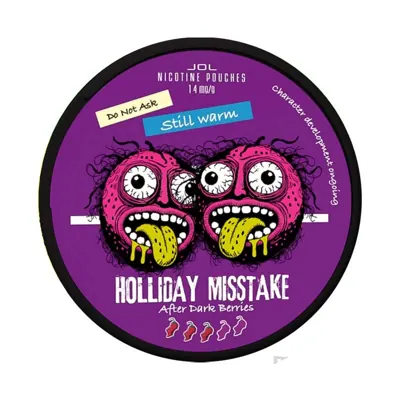
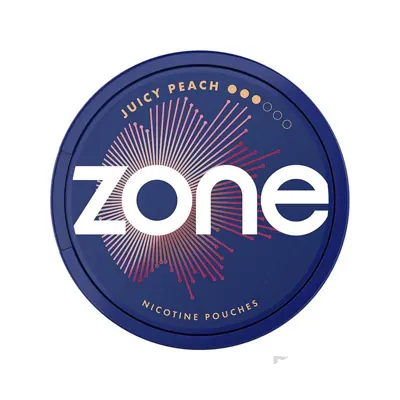
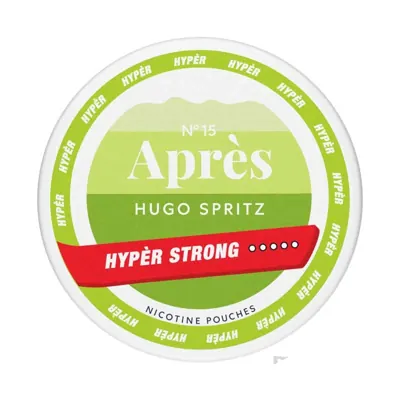
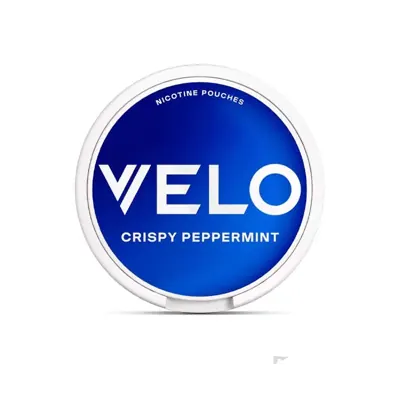
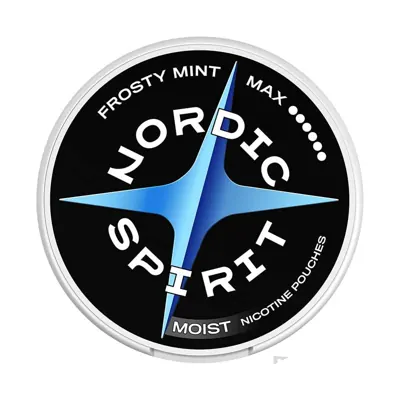
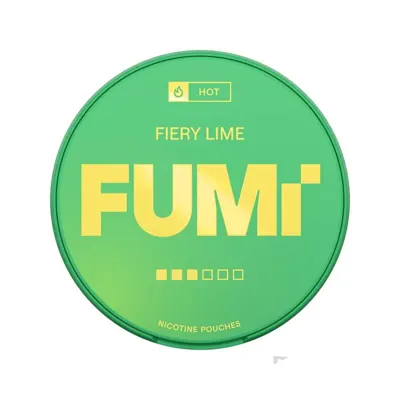
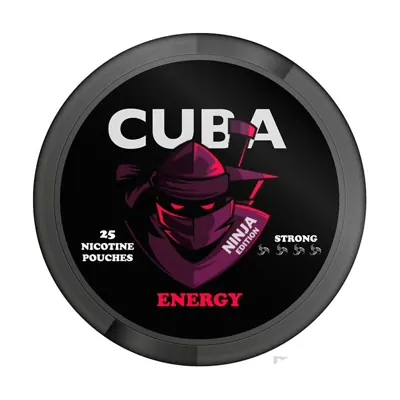
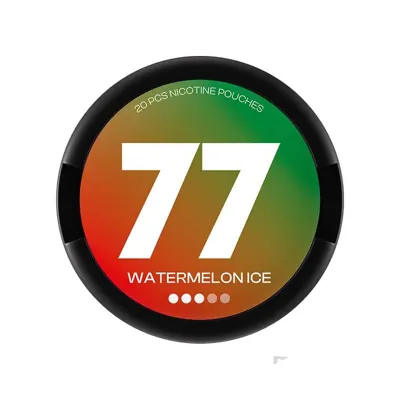
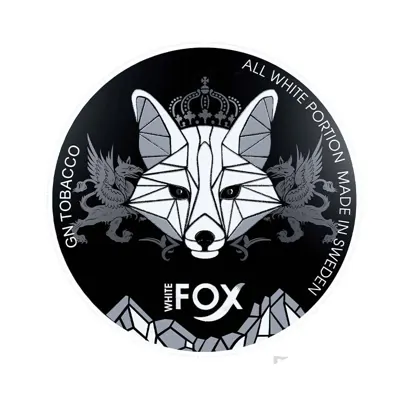
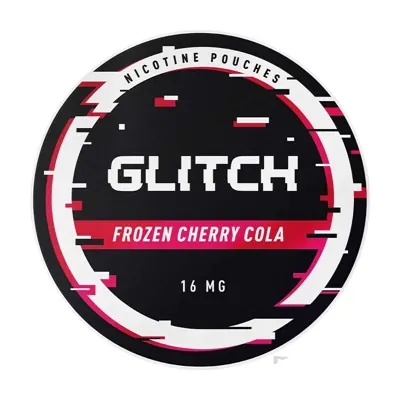
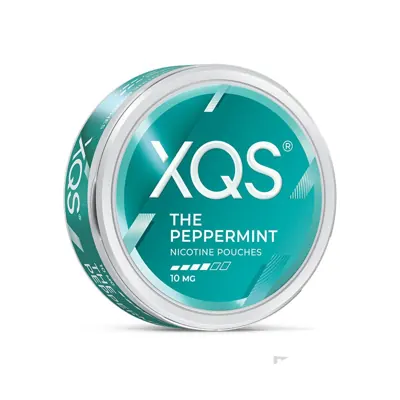
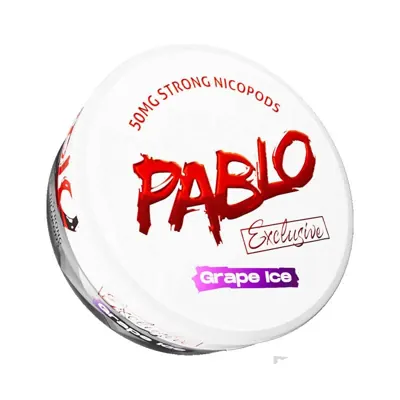
No products match those filters.
Quick answer: Snus is moist, ground tobacco from Sweden that you tuck under your top lip. Tobacco snus cannot legally be sold in the UK, a ban dating from 1992 that was kept after Brexit. Tobacco-free nicotine pouches give the same under-the-lip experience without tobacco, and they are legal to sell to adults aged 18 and over.
That one paragraph answers most of the questions people bring to this page. The rest of it fills in the detail: what is actually in a portion of snus, how the Swedish product differs from the white pouches sold here, which brands you will hear about, how the law stands as of October 2026, and what to buy if you came looking for a snus-style hit. If you only want the law, skip to the plain English version of snus and UK law.
What snus actually is
Snus (rhymes with loose) is a smokeless oral tobacco. The tobacco is ground, mixed with water and salt, then heat treated in a process closer to pasteurisation than to the fermentation used for American dipping tobacco. Flavourings such as bergamot, juniper or smoke are added, and the result is sold either loose in a tin or packed into small fibre portions. You put a portion under your top lip, leave it there for 20 to 60 minutes and take it out. Nothing is spat, nothing is lit and nothing is inhaled.
A standard portion weighs about 1g. A slim portion weighs around 0.7g and a mini around 0.5g. Nicotine is labelled per gram rather than per portion, which confuses UK readers used to seeing a single mg figure on a tin of pouches. A regular Swedish portion such as General Original is 8mg of nicotine per gram, strong lines sit at roughly 11mg to 22mg per gram, and the extra strong end of the market, led by Siberia, runs to 43mg per gram. Our page on what snus is and how it is used goes through all of this in more detail, including why Swedish snus is not the same thing as American dip.
Snus vs nicotine pouches
The two products look alike from across a room and sit in the same place under the lip. The difference is tobacco. Snus is a tobacco product. A nicotine pouch contains nicotine, plant fibre, water, flavouring and sweetener, with no tobacco leaf at all. That single difference decides how each product looks, tastes, feels and, in the UK, whether a shop can sell it.
| Snus | Nicotine pouch | |
|---|---|---|
| Contains tobacco | Yes, ground tobacco | No, tobacco-free |
| Main contents | Tobacco, water, salt, flavouring | Nicotine, plant fibre, water, flavouring |
| Colour and moisture | Brown, moist | White, dry to the touch |
| Nicotine on the label | mg per gram | mg per pouch (sometimes per gram too) |
| Flavour range | Tobacco-led: bergamot, juniper, smoke, mint | Wide: mint, berry, citrus, cola, coffee and more |
| Stains teeth | Can, because of the tobacco | Far less, no tobacco pigment |
| Legal to sell in the UK | No | Yes, to adults 18 and over |
The practical result for a UK reader is simple. If you want a Swedish-style product you can buy here legally, you are choosing from tobacco-free pouches. Our guide on snus vs nicotine pouches covers the comparison in full, and if you want the closest match in feel, the strong and extra strong bands of plainer pouches are where to look.
Is snus legal in the UK?
Selling tobacco snus is not legal anywhere in the UK. The ban started with the Tobacco for Oral Use (Safety) Regulations 1992, which implemented an EU-wide ban on oral tobacco. The ban was carried into the Tobacco and Related Products Regulations 2016, and after Brexit it stayed on the statute book as retained UK law. Nothing in the years since has removed it.
Three things follow from that, and people muddle them constantly.
- A UK shop, online or on the high street, cannot sell you tobacco snus. Any UK site offering it is breaking the law.
- Possessing or using snus is not an offence. The ban is on supply, not on the person using it. Bringing a few tins back from Sweden for your own use is not a crime, though it still counts as tobacco for your customs allowance.
- Tobacco-free nicotine pouches contain no tobacco, so the oral tobacco ban does not touch them. They are legal to sell to adults aged 18 and over.
That is the position as of October 2026. On top of it sits the Tobacco and Vapes Bill, which has been going through Parliament through 2025 and 2026. The Bill does not legalise snus. It does give ministers powers over nicotine pouches: a legal minimum age of sale of 18, plus powers to set limits on nicotine strength, restrict flavours and packaging, and control how pouches are displayed in shops. Some of those powers need secondary regulations before they bite, so the detail is still moving. We keep the full picture in our guide to whether snus is legal in the UK and update it as the law changes. Check that page, or the government's own pages, before relying on anything here.
What we stock instead
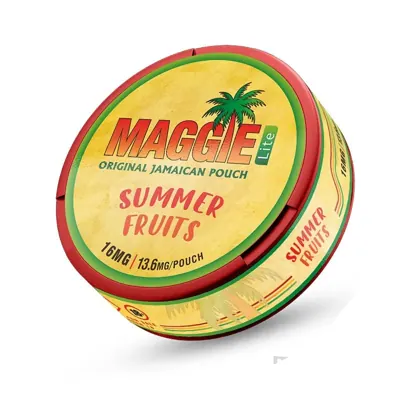
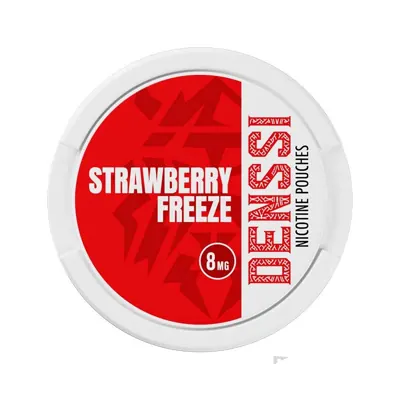
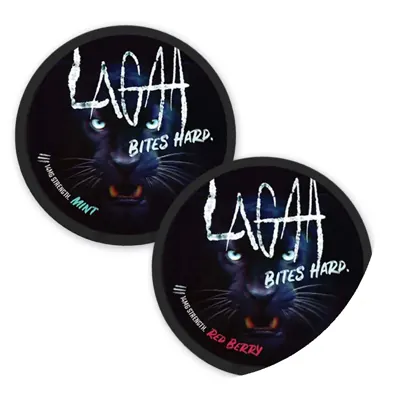
We do not stock tobacco snus and never will while the ban stands. What we stock is the product that most people in the UK mean when they say snus: tobacco-free nicotine pouches, from around 45 brands, sorted by strength, flavour and format. The full range is on our nicotine pouches hub.
If you came here from a Swedish snus habit, or you have tried snus abroad and want something close, here is how we would point you.
| What you liked about snus | Closest pouch choice |
|---|---|
| Plain tobacco or bergamot taste | Unflavoured or tobacco-flavour pouches, usually in the strong band |
| Moist, soft feel under the lip | Moist or original format pouches rather than dry slims |
| A strong, slow release | Strong (9mg to 12mg) or extra strong (12mg and up) pouches, 0.7g or larger |
| Discreet, nothing visible | Slim or mini pouches in any strength |
One honest warning. Extra strong pouches of 20mg and above hit harder than most Swedish portions because the nicotine is free to absorb quickly. Start a band lower than you think you need and move up only if a pouch feels weak after a full 30 minutes.
Types of snus
Snus comes in more formats than most people realise, and the names get borrowed for pouches, which is where confusion starts. The main types are:
- Loose snus. The original form. Moist tobacco sold loose in a 42g to 45g tin. You shape a pinch (a prilla) by hand or with a tool and tuck it under the lip. Strong flavour, lots of drip, needs practice.
- Original portion. Moist tobacco in a brown or beige fibre bag, introduced in the 1970s. Quick onset, noticeable drip, easy to use.
- White portion. The same tobacco in a drier, uncoloured bag that is not moistened on the outside. Slower start, longer release, far less drip.
- White dry portion. Drier again, sometimes with lower moisture inside the bag too. Very low drip, longest lasting, and the format a lot of extra strong snus uses.
- All white. A marketing term that in practice means tobacco-free. An all white portion is a nicotine pouch, not snus.
Our page on the types of snus has a table comparing moisture, drip and nicotine release across each one, and explains why mini, slim and large portion sizes matter as much as the type.
Swedish snus brands
Most of the names you will hear belong to a handful of makers. Swedish Match, now part of Philip Morris International, owns General, Göteborgs Rapé, Ettan and Grov, the oldest and most widely sold lines. GN Tobacco makes Siberia and Odens, the brands behind most of the extra strong snus sold online in Europe. Thunder is a Danish brand now in the Swedish Match group. Lundgrens comes from Fiedler & Lundgren, part of BAT, and Skruf belongs to Imperial Brands.
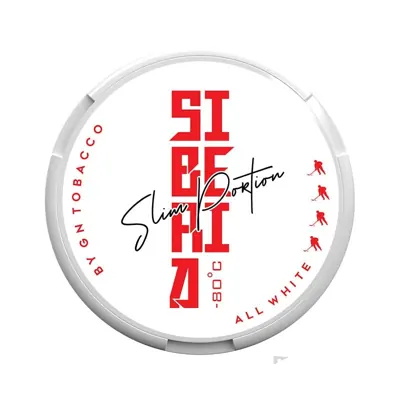
Several of these makers also sell tobacco-free pouches, and some of those are legal in the UK. Siberia is the clearest case: the tobacco-free Siberia pouches we stock use the same name and the same cold, strong profile as the snus, with no tobacco. We go through each brand, its signature lines and its tobacco-free relatives on our page on Swedish snus brands.
A short history
Snus has been around for roughly 300 years. Nasal snuff arrived in Sweden from France in the 1600s. By the 1700s Swedish farmers were wetting ground tobacco and tucking it under the lip instead of sniffing it, and that is the product we call snus. Ettan, launched in 1822, is still sold today. General followed in 1866, and Göteborgs Rapé in 1919. Portion snus arrived in 1973, white portions in the late 1990s.
The EU banned the sale of oral tobacco in 1992. Sweden negotiated an exemption when it joined the EU in 1995 and still sells snus freely. Everywhere else in Europe the product went underground, which is one reason the tobacco-free pouch was invented. Swedish makers launched the first all white pouches in the 2010s, and from around 2019 brands such as Nordic Spirit, VELO and ZYN reached UK shelves, legal because they contain no tobacco. The full story, with dates, is on our snus history page.
White snus, all white and other confusing names
In the UK, "white snus" almost always means a tobacco-free nicotine pouch. People picked up the word snus from Swedish friends, from football, or from the brands' own Scandinavian roots, and it stuck. In Sweden, by contrast, "white snus" (vitt snus) can mean a white portion of real tobacco snus, which is illegal to sell here.
So when a mate says they are "on the white snus", ask one question: does the tin say tobacco-free? If it does, it is a nicotine pouch and legal. If it does not and the contents are brown, it is tobacco snus and no UK shop should be selling it. We untangle all of this on white snus vs nicotine pouches, with a table of which product each name usually refers to.
How snus is used, and how pouches compare
Using snus and using a pouch is the same motion. Lift your top lip, place the portion against the gum to one side of the front teeth, and leave it. You do not chew it, suck it or move it around. The nicotine passes through the lining of the mouth into the bloodstream. Most people keep a portion in for 20 to 45 minutes. A pouch tends to tingle or burn for the first few minutes, especially at higher strengths; snus, being moist and tobacco-based, usually feels softer at the start but drips more.
Three habits carry over well from snus to pouches:
- Start lower. Swedish users often sit at 8mg per gram for years. The UK pouch market pushes 10mg to 20mg per pouch as normal, which is not where a beginner should start.
- Give it a full 20 minutes before judging a pouch. Dry white formats are slow starters.
- Keep the tin closed and cool. Both products lose moisture and flavour when left open on a desk.
Whichever product you use, nicotine is addictive, and neither snus nor pouches are for anyone under 18 or for people who do not already use nicotine.
Snus topics
- What is snus? The product, how it is made, how it is used, and how it differs from dip and from pouches.
- Types of snus: loose, portion, white and all-white Every format compared for moisture, drip and release.
- A short history of snus, from Sweden to the UK From 1700s farms to 2020s pouches, with the 1992 ban and Sweden's exemption.
- White snus vs nicotine pouches What the name means in the UK, what it means in Sweden, and which is legal here.
- Swedish snus brands you will hear about General, Göteborgs Rapé, Ettan, Siberia, Thunder, Odens, Lundgrens and Skruf.
- Snus and UK law The 1992 ban, personal use, and what the Tobacco and Vapes Bill changes for pouches.
Frequently asked questions
Is snus legal in the UK?
Selling tobacco snus is illegal in the UK and has been since 1992. The ban was kept after Brexit. Using or possessing snus is not an offence. Tobacco-free nicotine pouches, which many people call snus, are legal to sell to adults 18 and over.
Can I buy snus online in the UK?
Not legally. A UK retailer cannot sell tobacco snus, online or in a shop. Sites that appear to sell it either ship from outside the UK, which puts the customs and legal risk on you, or are selling tobacco-free pouches under the snus name. Check the tin for the words tobacco-free.
Are ZYN, VELO and Nordic Spirit snus?
No. They are tobacco-free nicotine pouches. They borrow the under-the-lip format from Swedish snus and some of the makers have snus heritage, but there is no tobacco in them, which is exactly why they can be sold in the UK.
What is the strongest snus?
Siberia -80 Degrees, made by GN Tobacco, is the usual answer at 43mg of nicotine per gram. For comparison, General Original is 8mg per gram. In the UK you cannot buy either, but the extra strong band of tobacco-free pouches, at 12mg per pouch and above, is where former Siberia users tend to land.
Is snus safer than smoking?
Snus does not involve combustion, so a user is not inhaling smoke, and Sweden, where snus is common, has the lowest daily smoking rate in the EU at around 5 percent. That does not make snus harmless. It is tobacco and contains nicotine, which is addictive. We are not a medical site; the NHS and your GP are the right source for health advice.
Can I bring snus back from Sweden?
Bringing a small amount back for your own use is not an offence, because the UK ban is on sale, not possession. Snus is still tobacco for customs purposes, so it counts against your duty-free allowance, and you cannot sell or give it away commercially once you are home.
Why is snus banned but nicotine pouches are not?
The 1992 ban covers tobacco for oral use. Nicotine pouches contain no tobacco, so they fall outside it. The Tobacco and Vapes Bill going through Parliament proposes to regulate pouches properly for the first time, with an 18 minimum age and powers over strength, flavours and display, but it does not lift the snus ban.
Does snus stain your teeth?
It can. Snus is brown tobacco held against the teeth, and long-term users often see staining along the gum line. Tobacco-free pouches are white and contain no tobacco pigment, so staining is much less of a problem, though any product held against the teeth for long periods can affect oral health.