What's inside a nicotine pouch?
Every ingredient on the back of the tin, what it does and why it is there, plus what all-white actually means.
By Hektor Jonsson · Updated October 2026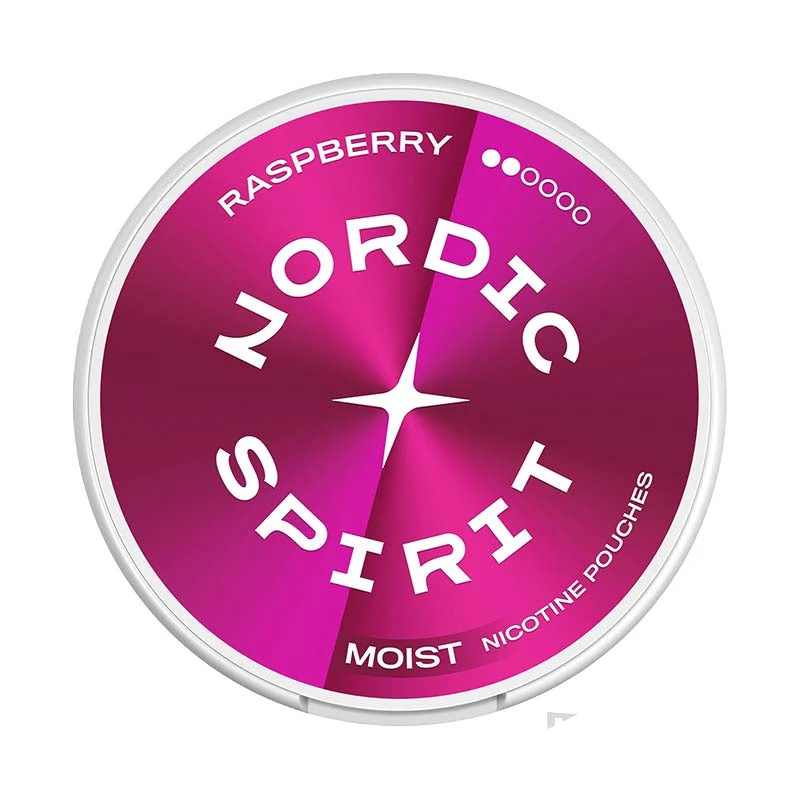
Quick answer: A nicotine pouch contains nicotine, a plant fibre filler (usually microcrystalline cellulose), water, salt, a pH adjuster such as sodium carbonate, flavourings and a sweetener, all sealed in a cellulose fabric pouch. There is no tobacco leaf. The nicotine is either purified from the tobacco plant or made synthetically.
That is a short ingredient list, and it is the same list from brand to brand with small variations. This guide goes through each item, what it does and why it is there, then explains the "all-white" label. We are describing ingredients, not making health claims. Nicotine is addictive and pouches are for adults over 18.
The ingredient list at a glance
| Ingredient | What it is | What it does |
|---|---|---|
| Nicotine | Purified from tobacco or made synthetically | The active ingredient |
| Microcrystalline cellulose | Refined plant fibre | Bulk and carrier for the nicotine |
| Water | Water | Moisture, controls release speed |
| Salt (sodium chloride) | Table salt | Flavour and preservation |
| Sodium carbonate or bicarbonate | pH adjuster | Makes the filling alkaline so nicotine absorbs |
| Flavourings | Food-grade flavours | Mint, fruit, coffee and so on |
| Sweeteners | Acesulfame K, sucralose, xylitol or similar | Rounds off the taste |
| Humectants | Glycerol or propylene glycol, in some brands | Keeps moist pouches moist |
| Pouch material | Cellulose or similar plant-based fabric | Holds everything in, lets saliva through |
Not every brand uses every row, and the exact order on the tin reflects the proportions, with the biggest first. Fibre and water usually top the list. Nicotine is typically a fraction of a percent to a few percent by weight.
Nicotine: tobacco-derived or synthetic
Nicotine is the reason the pouch exists. In most pouches it is extracted from tobacco plants and purified until nothing but nicotine remains. That is why a tin can say "tobacco-free" even though the nicotine started life in a tobacco leaf: the leaf itself, and everything else in it, is gone.
A smaller number of brands use synthetic nicotine, made in a lab without any tobacco plant at all. Chemically it is the same molecule and your body cannot tell the difference. Brands that use it tend to say so on the tin, because it lets them claim "no tobacco at any stage".
Both kinds are measured the same way. The number on the tin is milligrams of nicotine per pouch on most UK brands, though some print mg per gram. Our nicotine pouch strength guide shows how to read it, and the nicotine pouches hub groups every tin by band.
The filling: fibre, water and salt
Open a pouch and most of what falls out is white fibre. That is microcrystalline cellulose, a refined plant pulp used in food and tablets as a bulking agent. It has no taste, no nicotine of its own and no effect on you. Its job is to hold the nicotine, salt and flavour in a form that sits comfortably under your lip and releases evenly as saliva soaks in.
Water, salt and humectants
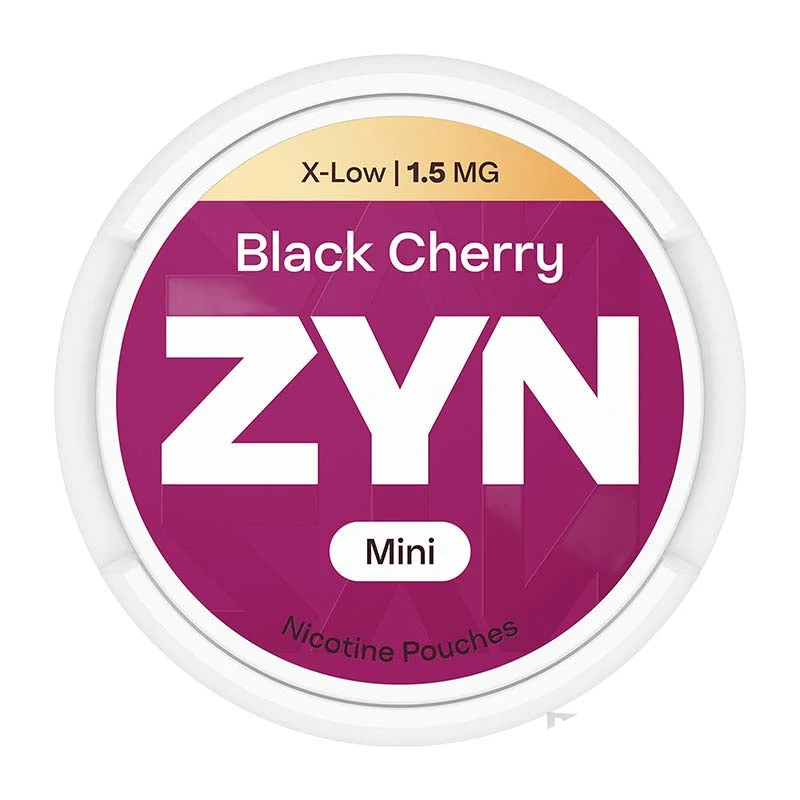
Water is what makes a moist pouch moist. More water means faster release and a stronger first ten minutes. Dry pouches like ZYN contain very little, which is why they start slower and last longer. The dry vs moist page compares the two.
Salt is there for flavour, to help the pouch hold moisture and as a mild preservative. It is also part of why a pouch tingles on the gum.
Humectants such as glycerol or propylene glycol appear in some moist brands. They hold water in the filling so the pouch does not dry out in the tin.
Sodium carbonate: the pH adjuster
This is the ingredient that makes a pouch work. Nicotine absorbs through the lining of your mouth much better when it is in a slightly alkaline environment. Sodium carbonate or sodium bicarbonate (baking soda) pushes the pH of the filling up to achieve that. It is the same trick Swedish snus has used for a century.
The pH adjuster is also the main reason pouches sting. Alkaline, salty filling on soft gum tissue is felt. Brands tune their pH differently, which is why two 6mg pouches from different makers can feel different in strength and in sting. The mechanism is explained in how nicotine pouches work.
Flavourings and sweeteners
Flavourings are food-grade and are the same kind used in sweets, drinks and chewing gum. Mint in its various forms dominates because it masks the peppery taste of nicotine so well. Fruit, berry, citrus, cola and coffee follow. A few brands sell an unflavoured pouch for people who want nothing in the way.
Sweeteners are almost always artificial (acesulfame K, sucralose) or sugar alcohols (xylitol, maltitol), never sugar, because sugar against your gum for 40 minutes a day would be bad news for your teeth. The sweetener takes the edge off the salt and the nicotine.
If you want to compare flavour families, our nicotine pouch flavours hub has them side by side.
What "all-white" means
"All-white" is a label from the Swedish snus world. Traditional snus is brown because it contains tobacco. "White" snus has tobacco too, but it is bleached and drier so it stains less. "All-white" means the pouch contains no tobacco at all, so both the filling and the pouch are white and it should not stain your teeth the way tobacco does.
In the UK, "all-white" and "nicotine pouch" mean the same thing: a tobacco-free pouch. Brands like Nordic Spirit and VELO used the phrase heavily when they launched. The Nordic Spirit nicotine pouches page is a good example of an all-white range. The full history is on our white snus vs nicotine pouches page.
What is not inside
No tobacco leaf, stem or dust. No tar, because nothing is burned. No carbon monoxide, for the same reason. And nothing that needs a battery. That is the honest list. It does not make a pouch harmless, because nicotine on its own is addictive and affects the heart and blood vessels. If you want the health picture, our guide on whether nicotine pouches are safe sets out what is known and points you to the NHS.
Frequently asked questions
Do nicotine pouches contain tobacco?
No. The nicotine in most pouches is extracted from tobacco plants, but it is purified so that no tobacco leaf or other plant matter ends up in the pouch. Some brands use synthetic nicotine made without any tobacco plant.
What is the white powder in a nicotine pouch?
Mostly microcrystalline cellulose, a refined plant fibre used as a filler in food and tablets. It carries the nicotine, salt and flavour and has no effect on its own.
Are nicotine pouches vegan?
Most are, since the ingredients are plant-derived, synthetic or mineral. A few brands have not confirmed their flavourings, so check the tin or the brand's website if it matters to you.
Is the pouch material plastic?
Usually it is a cellulose-based fabric, which is plant-derived, though some brands use a blend. It is not designed to break down quickly, so used pouches go in general waste, not the compost.
Related guides

Nicotine pouch specialist · Updated October 2026
Hektor has been buying, testing and writing about nicotine pouches since the first Swedish tobacco-free brands reached the UK. He has worked through hundreds of tins across every major brand and strength, from gentle 3mg minis to the extra strong slims, and writes the guides here at snus & pouches. His focus is simple: honest, jargon-free help that gets you to the right pouch faster. He writes about products and flavour, not medical advice. For health questions he points readers to the NHS.
More guides by Hektor JonssonMore beginner guides guides
Can you reuse a nicotine pouch?
Technically yes, practically no: what is left in a used pouch, why reusing one is a bad habit and what to do instead.
Updated October 2026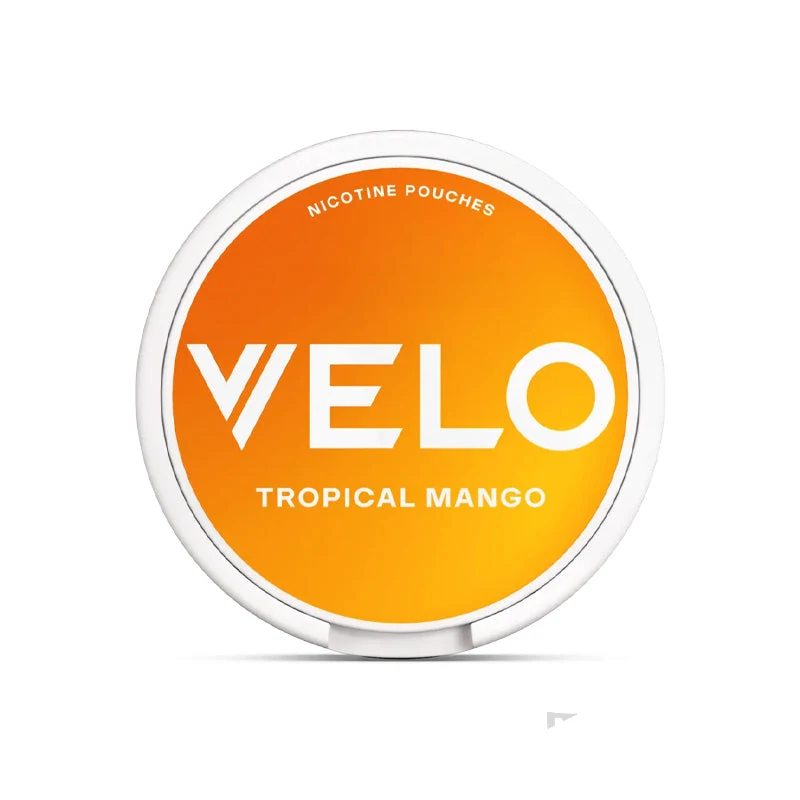
Upper lip or lower lip: where to put a nicotine pouch
Where the pouch goes, why most people choose the upper lip, when the lower lip makes sense and how to look after your gum.
Updated October 2026
Do nicotine pouches expire?
What the date on the base of the tin really means, what happens to an out-of-date pouch and whether it is worth using.
Updated October 2026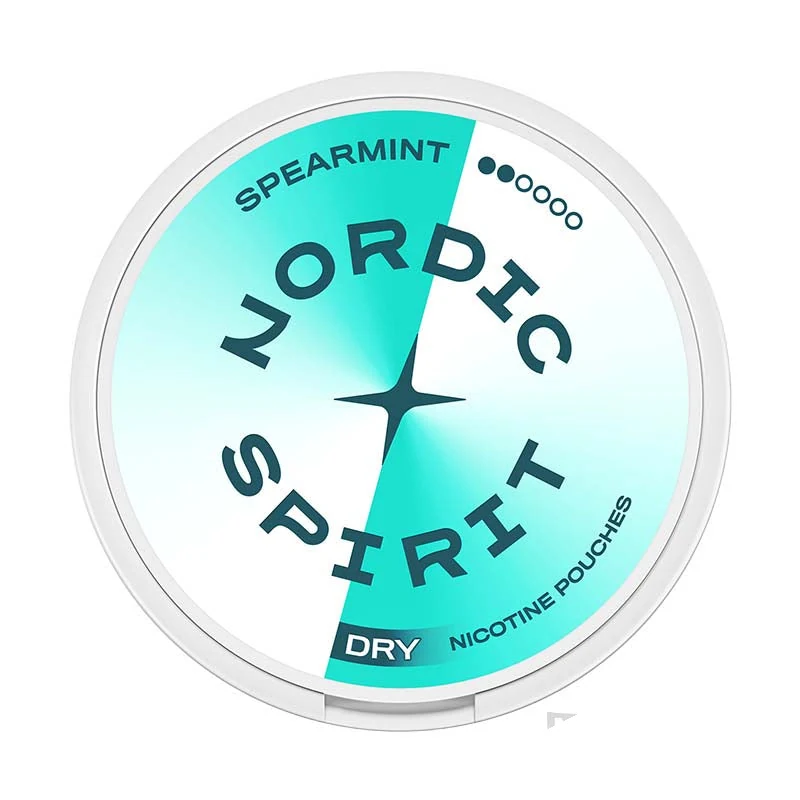
How to store nicotine pouches (and do they expire?)
Where to keep your tins so they stay fresh, when the fridge helps, what the date on the base means and how to spot a pouch past its best.
Updated October 2026