How do nicotine pouches work?
The mechanism behind the tin: how nicotine crosses your gum, what speeds it up and slows it down, and why brands feel different.
By Hektor Jonsson · Updated October 2026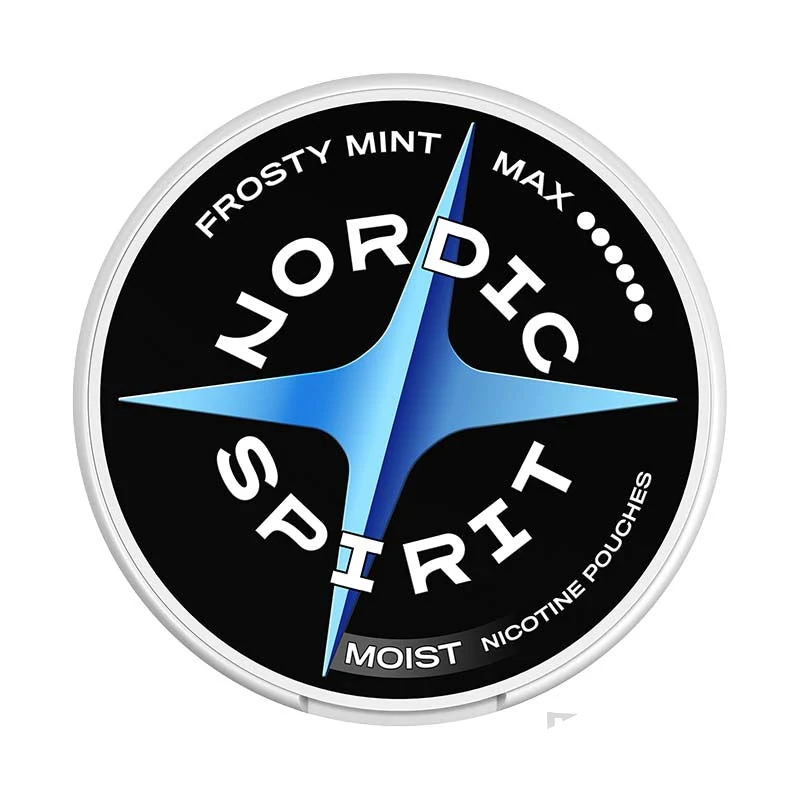
Quick answer: A nicotine pouch works by buccal absorption. Saliva wets the pouch, the nicotine dissolves out of the plant fibre, and the alkaline pH of the filling lets it pass through the lining of your gum into your bloodstream. You feel it within a few minutes and it keeps releasing for 20 to 40 minutes.
That is the whole mechanism, but each part of it explains something you will notice when you use one: why a dry mouth slows a pouch down, why the first minute tingles, why a 6mg from one brand hits harder than a 6mg from another. This guide goes through each piece. Nicotine is addictive and pouches are for adults over 18 who already use nicotine.
Buccal absorption: nicotine through the gum
The inside of your mouth is lined with a thin, blood-rich membrane. Some substances can pass straight through it into the small blood vessels underneath, skipping the stomach and liver entirely. Nicotine is one of them. This route is called buccal absorption, and it is the same route nicotine gum and lozenges use.
A pouch is designed to hold nicotine against that membrane for a long time. The fabric lets saliva in and nicotine out, while keeping the fibre filling in place. Because the nicotine goes straight into the blood supply of the mouth, you do not need to swallow anything, and swallowing the saliva makes very little difference to what you get.
Why saliva matters
Nothing happens in a dry pouch until it gets wet. Saliva soaks into the pouch, dissolves the nicotine and salts out of the fibre and carries them to the gum. That is why a pouch feels slow if your mouth is dry, and why some people sip water before putting one in.
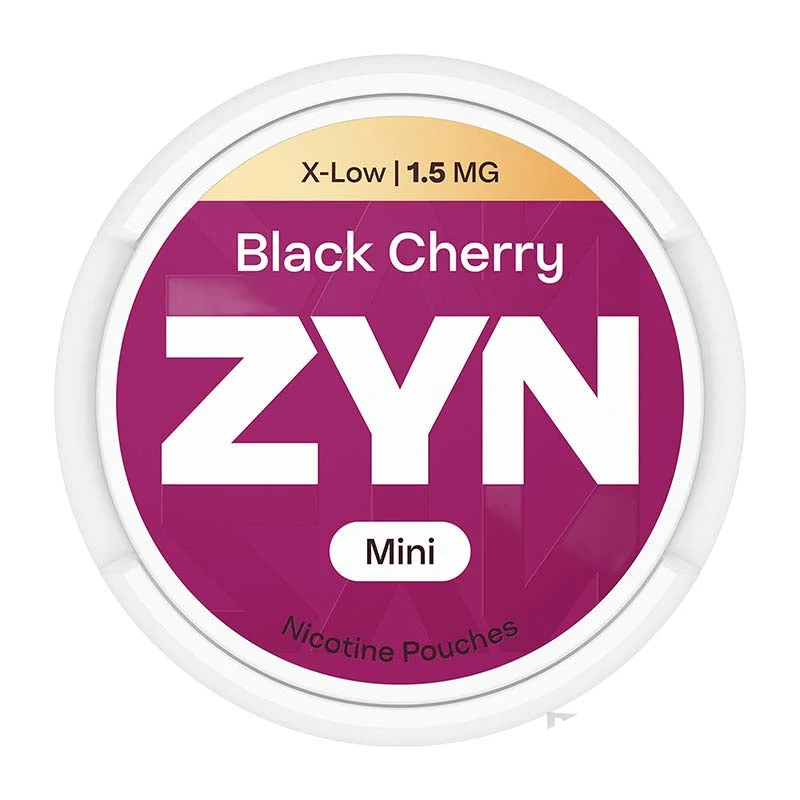
It also explains the difference between dry and moist formats. A moist pouch like a VELO or a Nordic Spirit arrives already wet, so release starts immediately and the first ten minutes are strong. A dry pouch like a ZYN needs a minute or two to take on saliva, then releases more gradually and lasts a bit longer. Neither is better. Beginners usually prefer dry because the start is gentler. Our dry vs moist nicotine pouches page compares the two.
Why pH matters
Nicotine comes in two chemical forms. In acidic conditions it is mostly "protonated", which is stable but crosses membranes slowly. In alkaline conditions more of it is "free base", which crosses the lining of the mouth easily. Pouch makers add a pH adjuster, usually sodium carbonate or sodium bicarbonate, to push the filling to the alkaline side so the nicotine absorbs well.
That alkalinity is also the main reason for the tingle. A mildly alkaline, salty, nicotine-rich pouch sitting on a soft gum is going to be felt, especially in the first minute before saliva dilutes it. Brands set their pH differently, which is one reason two tins with the same mg number can feel quite different. There is more in our guide to why nicotine pouches tingle or burn.
How fast it kicks in and how long it lasts
Most people notice nicotine within two to five minutes of placing a pouch. The release builds over the first 10 to 15 minutes and then tapers. By 30 to 40 minutes the pouch has given up most of what it is going to give, and by an hour there is very little left.
| Stage | Time | What you notice |
|---|---|---|
| Wetting | 0 to 2 minutes | Tingle, flavour appears |
| Onset | 2 to 5 minutes | First nicotine effect |
| Peak release | 5 to 20 minutes | Strongest effect and flavour |
| Taper | 20 to 40 minutes | Flavour fades, effect levels off |
| Spent | 40 to 60 minutes | Little left, remove and bin |
Compared with a cigarette, where nicotine reaches the brain in seconds via the lungs, a pouch is slower to start and flatter overall. That is a feature for most users: fewer spikes, longer coverage. It also means that if you are impatient and put in a second pouch at five minutes because "nothing is happening", you will overshoot. Give it ten.
Why strength feels different between brands
The number on the tin is milligrams of nicotine per pouch on most UK brands, but it is not the whole story. How much you absorb depends on at least four other things.
- Moisture. A moist pouch releases faster and feels stronger early on.
- pH. A more alkaline filling pushes more nicotine through, so a 6mg at high pH can feel like a 9mg at lower pH.
- Pouch size. A large pouch covers more gum than a mini, so the same mg comes through faster.
- Labelling. Some brands print mg per gram of filling, not mg per pouch. A "20mg/g" pouch weighing half a gram contains 10mg. Our mg per pouch vs mg per gram guide shows how to spot which is which.
The practical result is that you cannot assume a 6mg VELO and a 6mg Nordic Spirit and a 6mg ZYN Mini Strong will feel the same. They will not. This is why we tell beginners to start on 3mg to 6mg and stick with one brand for the first few tins before comparing. Our nicotine pouches by strength hub groups tins into bands so you can at least compare like with like.
What happens to the nicotine you do not absorb
Not all the nicotine in a pouch ends up in you. A good share stays in the fibre when you take the pouch out, which is why a used pouch still needs to be kept away from children and pets. A smaller share is swallowed in saliva, and nicotine taken that way is largely broken down by the liver before it does much. The nicotine that does cross the gum is processed by your body over the following hours.
Frequently asked questions
Does swallowing the saliva give you more nicotine?
Hardly any. Nicotine swallowed in saliva mostly gets broken down by the liver before it reaches your brain. The useful absorption happens through the gum, not the stomach.
Why does the pouch stop working before the flavour is gone?
Usually it is the other way round: the flavour goes first and the nicotine keeps coming at a lower rate. If a pouch seems to stop early, your mouth may be dry or the pouch may have slipped off the gum line.
Why does a hot drink make a pouch feel stronger?
Warmth and extra saliva both speed up how fast nicotine leaves the fibre. Coffee with a pouch in is a well known combination for exactly that reason. The total nicotine does not change, only the pace.
Is absorption the same in the lower lip?
Slightly slower, because saliva collects there and dilutes the pouch, and the gum is a little thicker. It works fine, but the upper lip is the standard spot for a reason.
Related guides

Nicotine pouch specialist · Updated October 2026
Hektor has been buying, testing and writing about nicotine pouches since the first Swedish tobacco-free brands reached the UK. He has worked through hundreds of tins across every major brand and strength, from gentle 3mg minis to the extra strong slims, and writes the guides here at snus & pouches. His focus is simple: honest, jargon-free help that gets you to the right pouch faster. He writes about products and flavour, not medical advice. For health questions he points readers to the NHS.
More guides by Hektor JonssonMore beginner guides guides
Can you reuse a nicotine pouch?
Technically yes, practically no: what is left in a used pouch, why reusing one is a bad habit and what to do instead.
Updated October 2026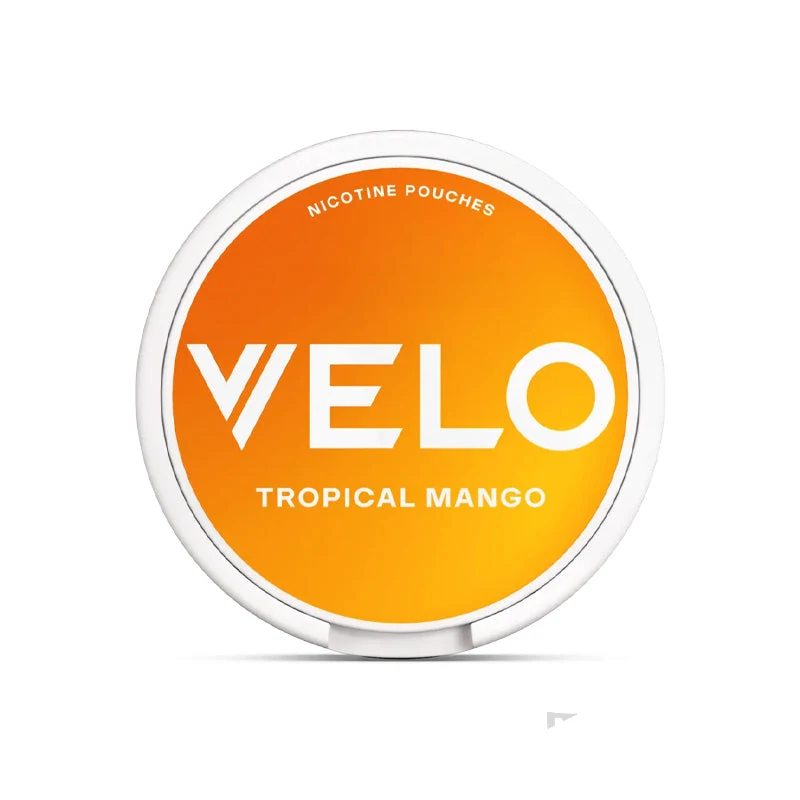
Upper lip or lower lip: where to put a nicotine pouch
Where the pouch goes, why most people choose the upper lip, when the lower lip makes sense and how to look after your gum.
Updated October 2026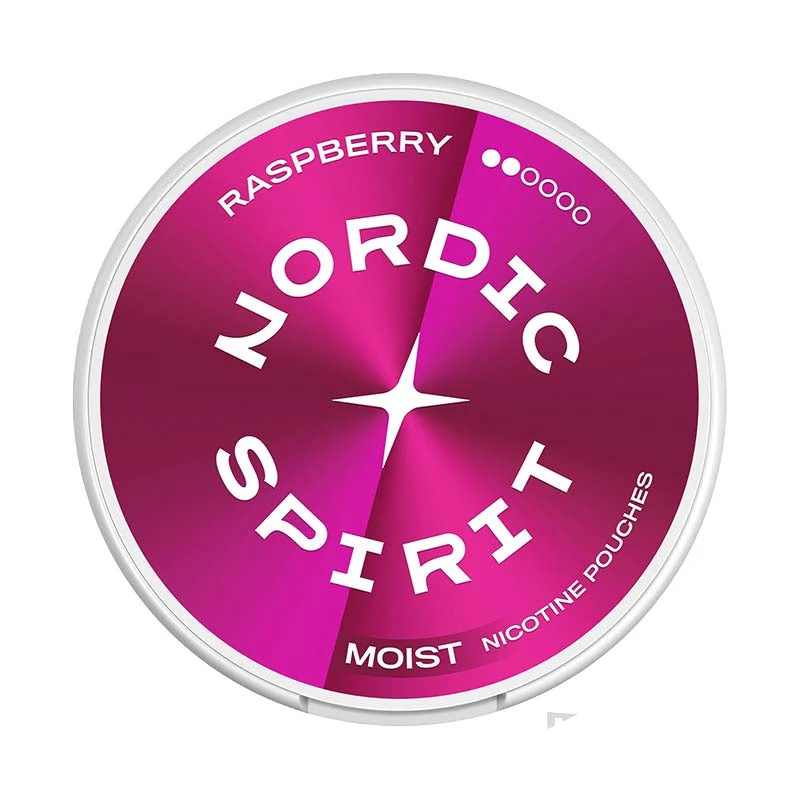
What's inside a nicotine pouch?
Every ingredient on the back of the tin, what it does and why it is there, plus what all-white actually means.
Updated October 2026
Do nicotine pouches expire?
What the date on the base of the tin really means, what happens to an out-of-date pouch and whether it is worth using.
Updated October 2026