How to spot fake nicotine pouches
Fakes copy the tins people search for most. A checklist you can run in thirty seconds, plus the buying habits that mean you never need it.
By Hektor Jonsson · Updated October 2026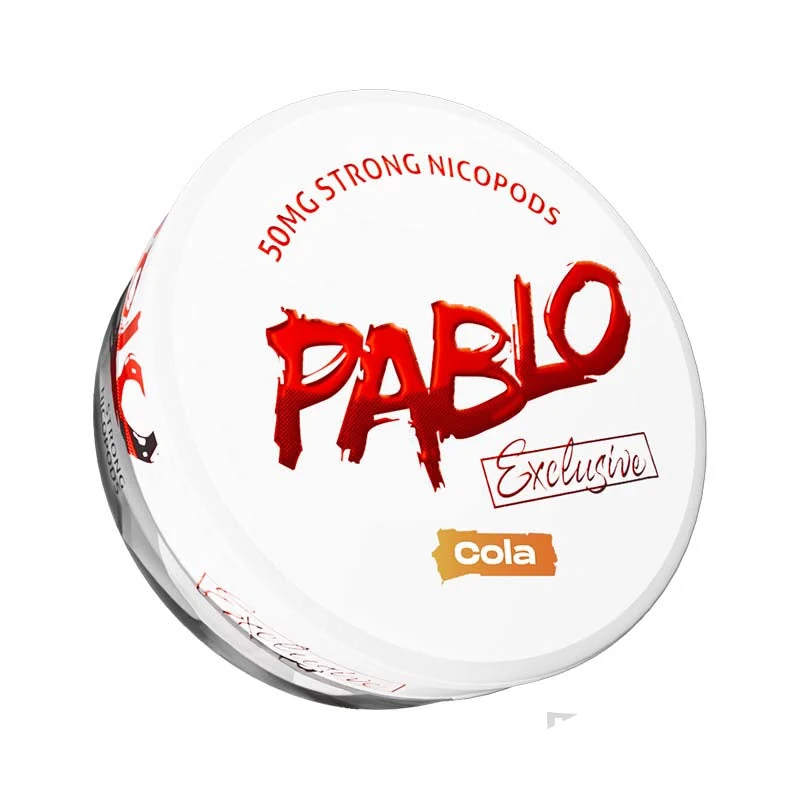
Quick answer: Check the print quality, the spelling, the seal and the batch code on the tin, and be suspicious of any price well below every other retailer. Fakes cluster on marketplaces and social media, and they mostly copy ZYN, Pablo and Killa. Buying from a specialist retailer that sources through official UK distribution removes the risk.
Counterfeit pouches are a real problem, and a bigger one than counterfeit vapes in some ways, because a tin is cheap to copy and hard to test. The danger is not just losing £4.29. A fake tin can contain any amount of nicotine, from none to far more than the label, along with whatever else was lying around the factory. This guide gives you the checks, the brands at risk and the buying habits that keep you clear.
Why fakes exist
The economics are simple. A tin of Pablo Exclusive sells for around £4.29 and costs pennies to make. The brand is searched for constantly, the tin design is simple, and most buyers have never looked closely at a genuine one. Add marketplaces where anyone can list a product, and you have a market.
The strong brands are copied most because they sell most and because a strong tin commands a higher price abroad. In our experience the three most copied in the UK are Pablo, Killa and ZYN, followed by Iceberg and Siberia. Low-strength supermarket brands are rarely faked; there is less margin in it.
The thirty-second checklist
Run through this with any tin you are unsure about.
| Check | Genuine tin | Fake tin |
|---|---|---|
| Sharp, even, correct brand colours | Blurry, fuzzy edges, slightly wrong shade | |
| Spelling and wording | Correct everywhere, including the small print | Typos, odd grammar, missing words |
| Strength label | Clear mg figure and pouch count | Missing, vague or inconsistent |
| Seal | Intact tamper strip or shrink wrap | Loose, re-stuck or absent |
| Batch code and date | Printed or embossed, matches between lid and base | Missing, smudged or does not match |
| Lid and hinge | Snaps shut cleanly, lid compartment fits | Loose, rattles, poorly moulded |
| Pouches | Uniform size, clean white, dry or evenly moist | Uneven, yellowed, wet or lumpy |
| Smell and taste | Clean flavour, familiar nicotine feel | Harsh, chemical, or strangely weak |
No single item is proof. A scuffed tin from a busy warehouse can look worse than a fresh fake. Three or more of these together, though, and you should stop using it.
Price is the biggest tell
A genuine tin has a floor price set by the manufacturer's trade cost. A retailer can discount a little, run a 99p promotion on a slow line, or offer a bulk price, but nobody can sell a mainstream strong brand at half of everyone else's price and make money. If a seller is doing that, the product is fake, stolen or grey-import stock that has been sitting in a warehouse for a year.
Compare like with like. A ten-pack at £35 is a genuine bulk saving. Single tins of a premium brand at £1.50 each from an unknown seller are not. Our guide to the cheapest nicotine pouches in the UK shows what a real low price looks like.
Where fakes are sold
Fakes almost never reach specialist retailers, because those retailers buy from the brand or its appointed UK distributor and the chain is short and traceable. They reach the market through three routes.
- Marketplaces. Third-party sellers on general marketplaces, often with a company name that does not match the shop name and no UK address.
- Social media. Instagram, TikTok and Telegram sellers advertising "wholesale" tins and bundles at prices that make no sense. These sellers also skip age checks.
- Corner shops and some vape shops. Usually unknowingly, having bought from a cash-and-carry or a van salesman rather than a distributor.
The common thread is a missing link in the supply chain. If a seller cannot tell you where the stock came from, that is your answer.
What a specialist retailer does differently
A specialist pouch retailer buys from official distribution, stores stock properly, rotates it so best-before dates stay long, and age-checks every order. Each of those steps makes a fake far less likely. It also means the retailer knows what a genuine tin looks like, and would notice a bad batch before you did.
On this site every tin comes through official UK distribution, every product shows its strength the same way, and nothing ships without an age check. The nicotine pouches hub lists every brand we carry, and how to read a nicotine pouch label explains what the batch code and best-before date tell you.
What to do if you have a fake
Stop using it. You cannot know how much nicotine is in it. Keep the tin and the listing or receipt, ask the seller for a refund, and if they refuse, report the listing to the marketplace and to Trading Standards through Citizens Advice. If you have used the pouches and feel unwell, speak to a pharmacist or call NHS 111.
Then buy a known-genuine tin of the same product and compare them side by side. Once you have seen a real and a fake next to each other, you will spot the next one at a glance.
Frequently asked questions
Are fake nicotine pouches dangerous?
They can be. A fake tin can contain any amount of nicotine and unknown other ingredients. The risk is that you cannot tell what you are using. Buying from an official source avoids the problem.
Which brands are faked most?
Pablo, Killa and ZYN, followed by Iceberg and Siberia. Strong, heavily searched brands with simple tins are the main targets.
How can I check a batch code?
Look for a printed or embossed code on the tin that matches between lid and base. Some brands let you enter the code on their website. A missing or smudged code on a tin that should have one is a warning sign.
Is it safe to buy nicotine pouches on a marketplace?
It is where most fakes are sold. If you must, buy only from the brand's own official store on that marketplace, not from third-party sellers.
Does a cheap price always mean fake?
No. Promotions, bundles and discontinued flavours can be genuinely cheap. A premium strong brand at half the normal single-tin price from an unknown seller is the pattern to avoid.
Related guides

Nicotine pouch specialist · Updated October 2026
Hektor has been buying, testing and writing about nicotine pouches since the first Swedish tobacco-free brands reached the UK. He has worked through hundreds of tins across every major brand and strength, from gentle 3mg minis to the extra strong slims, and writes the guides here at snus & pouches. His focus is simple: honest, jargon-free help that gets you to the right pouch faster. He writes about products and flavour, not medical advice. For health questions he points readers to the NHS.
More guides by Hektor JonssonMore buying and how-to guides
Nicotine pouch glossary: every term explained
Every word you will meet on a tin, a product page or a forum, in alphabetical order, with a link to the page that goes deeper.
Updated October 2026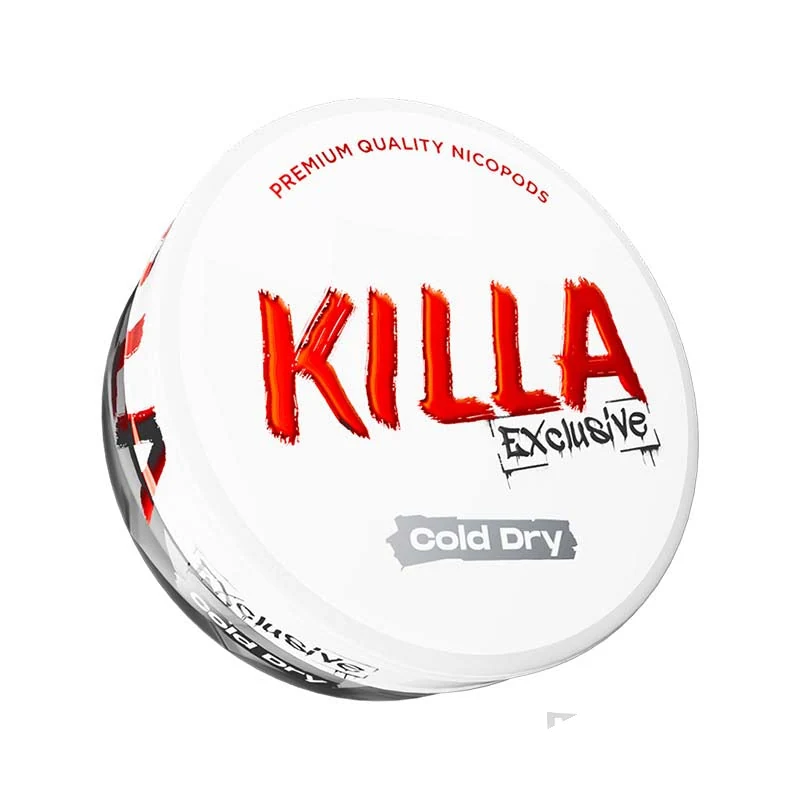
Tin, can, pouch or portion? Nicotine pouch terms explained
The pouch world borrowed its words from Sweden and then added its own. The ten terms you will meet on every product page, sorted out.
Updated October 2026
Same day dispatch: how nicotine pouch delivery works
The cut-off, the carriers, the age check at the door and the steps to take when a parcel does not turn up. Delivery, explained end to end.
Updated October 2026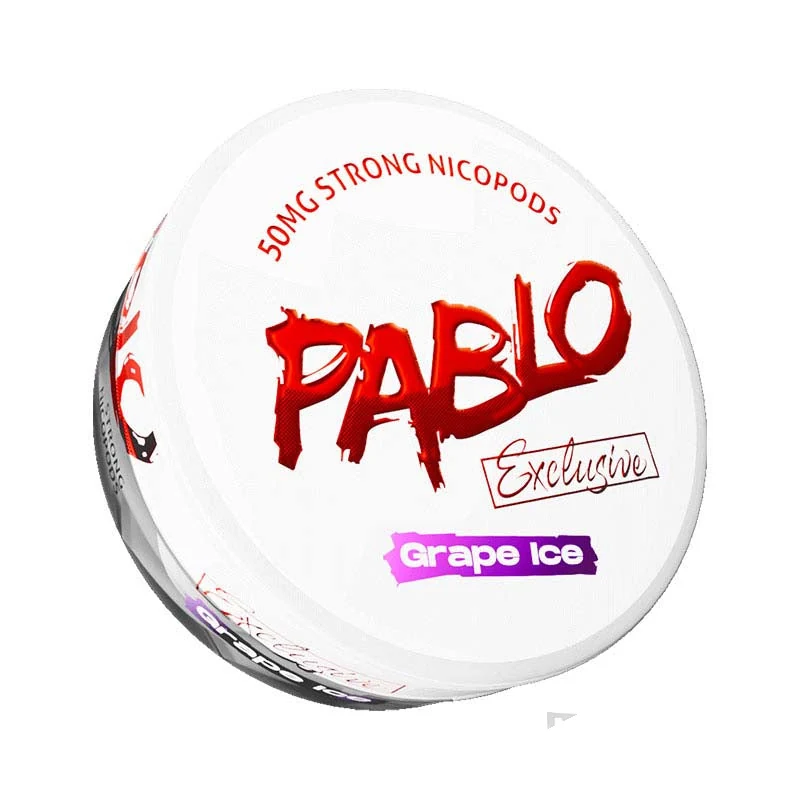
Bulk buying nicotine pouches: does it save money?
Buying ten tins at once is cheaper than buying one ten times. Here is how much, how to store the stockpile, and the two situations where bulk is a bad idea.
Updated October 2026