Can nicotine pouches help you quit smoking?
Where pouches sit next to licensed NRT and NHS support, what a realistic switch plan looks like, and what they cannot do for you.
By Hektor Jonsson · Updated October 2026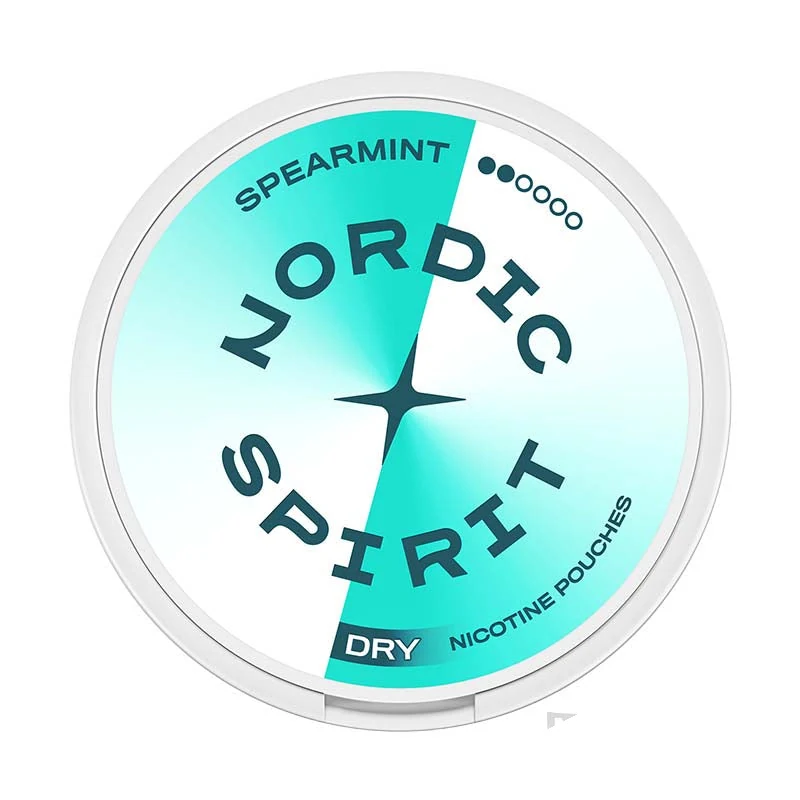
Quick answer: Nicotine pouches are not licensed as a stop-smoking product in the UK, and the evidence that they help people quit is limited. Many smokers do switch to them and stay off cigarettes, because the nicotine is replaced and the smoke is gone. The most reliable route is still licensed nicotine replacement with NHS stop smoking support, which is free.
This guide is not medical advice. It explains how pouches are used by people who switch, what the limits are, and how to get proper support if you want it.
The licensed route and where pouches sit
In the UK, products that are licensed to help you stop smoking are the nicotine replacement products you can get from a pharmacy or on prescription: patches, gum, lozenges, sprays and inhalators. They have been tested for safety and for how well they work, and the NHS recommends them, ideally alongside a stop smoking adviser. Combined with that support, they roughly double your chances compared with going it alone, in the NHS's own description.
Nicotine pouches are a consumer product. They are legal, they are tobacco-free and they deliver nicotine, but no UK body has assessed them as a quit aid, and there is no large body of evidence yet on how well they work for stopping. That is the honest position. It does not mean they cannot help you. It means nobody can promise they will.
The NHS position on vaping is relevant here. The NHS says vaping is far less harmful than smoking and can help people stop, while being clear that non-smokers should not start. Pouches sit in a similar place, with less data behind them and the added point that nothing is inhaled. We compare the three in nicotine pouches vs smoking and nicotine pouches vs vaping.
Why switching works for the people it works for
A cigarette craving has two parts. One is nicotine withdrawal, which a pouch handles well, because it gives you a steady dose for up to an hour. The other is habit: the break, the walk outside, the hands. A pouch does nothing for that, and you have to let it fade on its own over a couple of weeks.
People who switch successfully tend to do three things. They pick a strength that actually replaces what they were getting from cigarettes, rather than going too low and giving up. They use pouches at every moment they would have smoked for the first fortnight, rather than rationing. And they stop smoking completely rather than mixing the two for months. Our guide on how many cigarettes a nicotine pouch is equivalent to explains why a 20-a-day smoker usually lands in the medium band rather than the strong one.
A switch plan, week by week
This is the pattern we see work most often. Adjust it to yourself. If you are working with an NHS adviser, follow their plan over this one.
| Stage | What to do | Strength |
|---|---|---|
| Before day one | Buy two or three tins in two strengths. Set a quit date. Tell someone. | Medium band for 15 to 20 a day; low for fewer |
| Week one | Stop smoking completely. Use a pouch at every point you would have smoked. Rotate placement. | Stay on your starting strength for the full week |
| Week two | Cravings should be fewer and slower. Keep a count of pouches a day. | Go up one band only if week one was clearly not enough |
| Weeks three to six | Settle into a routine. Decide whether pouches are a bridge or a long-term replacement. | Hold |
| From week six | If you want off nicotine, step down a band every two to four weeks. | Medium to low, low to minis, then stop |
The step-down stage has its own guide: how to step down nicotine pouch strength. The key is to stay at each level until it feels normal before moving on.
If you do not know where to start, the strong band at 9mg to 12mg is for heavy smokers and ex-vapers on high strength liquids. Most smokers should look one band lower. A brand such as Nordic Spirit sells the same flavours at 6mg, 9mg and 17mg, which makes stepping in either direction easy without changing taste.
Where the NHS fits
Even if you plan to switch with pouches, it is worth registering with your local NHS stop smoking service. It is free, it is not judgemental, and the advisers deal with people using all sorts of products. They can offer licensed nicotine replacement alongside or instead of pouches, they can prescribe stop-smoking medication if it suits you, and the weekly check-in is a big part of why their results are better than going alone.
You can find your local service through the NHS website, your GP surgery or most pharmacies. If you are pregnant, go to your midwife or GP first. Nicotine is not safe in pregnancy and the NHS advises licensed nicotine replacement under their guidance rather than pouches.
Pouches are not a licensed quit aid. They replace nicotine; they do not remove the dependence. If you have a heart condition, high blood pressure or you are pregnant, speak to your GP before using any nicotine product. Nicotine is addictive and pouches are for over-18s only.
The honest limits
Pouches are not a cure for nicotine dependence. If you switch and stay on them for years, you have swapped a very harmful habit for a much less harmful one, and you are still dependent on nicotine. For many people that is a reasonable outcome. It is not the same as quitting.
Some people find pouches too easy. There is no smell, no need to go outside and no natural limit, so they end up using more nicotine than they smoked. If that is you, count them and set a ceiling; how many nicotine pouches a day sets out what a sensible number looks like.
And some people simply do not get on with the format. The slow build, the tingle or the lack of ritual does not work for them. Licensed nicotine replacement, vaping and stop-smoking medication all remain on the table, and an NHS adviser can help you choose.
Frequently asked questions
Are nicotine pouches approved by the NHS to stop smoking?
No. They are not licensed as a stop-smoking product in the UK and the NHS does not recommend them as one. Licensed nicotine replacement with stop smoking support is the recommended route.
Do nicotine pouches work better than patches?
There is no good evidence either way. Patches give a slow, steady dose; pouches give a faster one with a clearer start and end. Some people combine a patch for the background with a pouch for the sharp cravings, which is something an NHS adviser can help you plan.
What strength pouch replaces 20 cigarettes a day?
Usually the medium band, 6mg to 9mg, rather than the strong band. Pouch nicotine is absorbed more fully than most people expect. Start there and go up only if a full week was clearly not enough.
How long should I use pouches after quitting smoking?
As long as you need to stay off cigarettes. If you want to stop nicotine too, step down a band every two to four weeks once you are settled, and give yourself a few months rather than a few weeks.
Can I use pouches and still see an NHS stop smoking adviser?
Yes. Tell them what you are using. They work with people on all kinds of products and can add licensed nicotine replacement or medication alongside.
Related guides

Nicotine pouch specialist · Updated October 2026
Hektor has been buying, testing and writing about nicotine pouches since the first Swedish tobacco-free brands reached the UK. He has worked through hundreds of tins across every major brand and strength, from gentle 3mg minis to the extra strong slims, and writes the guides here at snus & pouches. His focus is simple: honest, jargon-free help that gets you to the right pouch faster. He writes about products and flavour, not medical advice. For health questions he points readers to the NHS.
More guides by Hektor JonssonMore health and safety guides
Nicotine pouches and dry mouth
Why pouches leave your mouth dry, which formats and strengths make it worse, and the simple fixes that work for most people.
Updated October 2026
Nicotine pouches and alcohol
What happens when nicotine and alcohol overlap, why it so often ends in nausea, and a simple way to pace pouches on a night out.
Updated October 2026
Swallowed a nicotine pouch? What to do
What happens if a pouch goes down, the symptoms to expect, when to call 111, and why it is a different story for children and pets.
Updated October 2026
Nicotine pouches before the gym
What a pre-workout pouch actually does to your heart rate and hydration, what the evidence says about performance, and a safer way to time it.
Updated October 2026